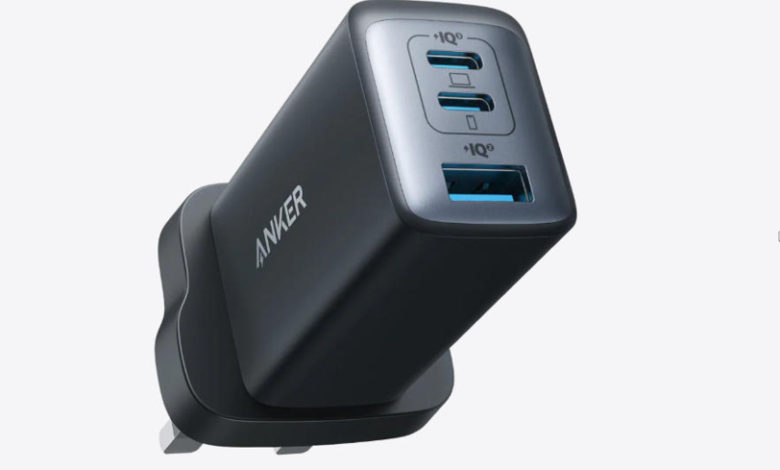
MacBooks rely on powerful hardware to support multitasking, creative workflows, video calls, and day-long productivity. To maintain this performance, they need chargers that deliver enough wattage to match the device’s energy demands. A higher-watt charger ensures stable charging whether the MacBook is idle, in heavy use, or running a mix of apps. Without sufficient wattage, charging slows dramatically, or the MacBook may continue draining power even while plugged in. Understanding why wattage matters helps you choose better charging tools and avoid interruptions during work or study sessions. Many users also appreciate versatile chargers like the Anker 735 Charger (Nano II 65W), which supports USB-C notebooks alongside phones and tablets without overselling any feature.
Why MacBooks Depend on Higher Wattage for Efficiency
MacBooks Consume More Power During Intensive Tasks
MacBooks are built for performance. When you edit photos, join video calls, stream media, or run heavy applications, the system draws more power from the battery. If the charger cannot deliver enough wattage, the MacBook may charge slowly or barely maintain its battery level. A high-watt charger ensures that the device continues charging even during demanding tasks. This is important for students, professionals, and creators who rely on sustained performance. With an efficient charger that provides strong output—such as the Anker 735 Charger (Nano II 65W)—you support your MacBook’s power needs without delaying your workflow. This is not an oversell, but a practical reflection of how modern chargers adapt to notebooks.
Higher Wattage Enables Fast Charging for Larger Batteries
MacBooks have much larger batteries than phones or tablets. A low-watt charger may eventually charge the device, but the process takes significantly longer. Higher wattage allows the macbook charger to deliver stronger current at the beginning of the charging cycle, when the battery can accept more power. This improves the speed noticeably and gets the MacBook ready for use sooner. Fast charging is especially helpful when you need power before leaving home or switching work locations. Chargers designed for notebooks use wattage efficiently to shorten downtime and support long usage hours.
High-Watt Chargers Support Stability Across Multiple Ports
Multi-port chargers divide output among connected devices. If the total wattage is low, charging slows for every device. A higher-watt charger ensures that the MacBook receives enough energy even when you plug in additional devices, such as a phone or tablet. This helps prevent performance drops and keeps your MacBook powered during multitasking. A multi-port model like the Anker 735 Charger (Nano II 65W) distributes power intelligently between ports, offering one strong output for notebooks and additional power for smaller devices. This kind of balanced power distribution makes it easier to travel, study, or work without carrying multiple adapters.
See also: How Can You Keep Your Charger From Overheating?
How Higher-Watt Chargers Enhance Safety and Long-Term Performance
High-Watt Chargers Reduce Strain on Internal Components
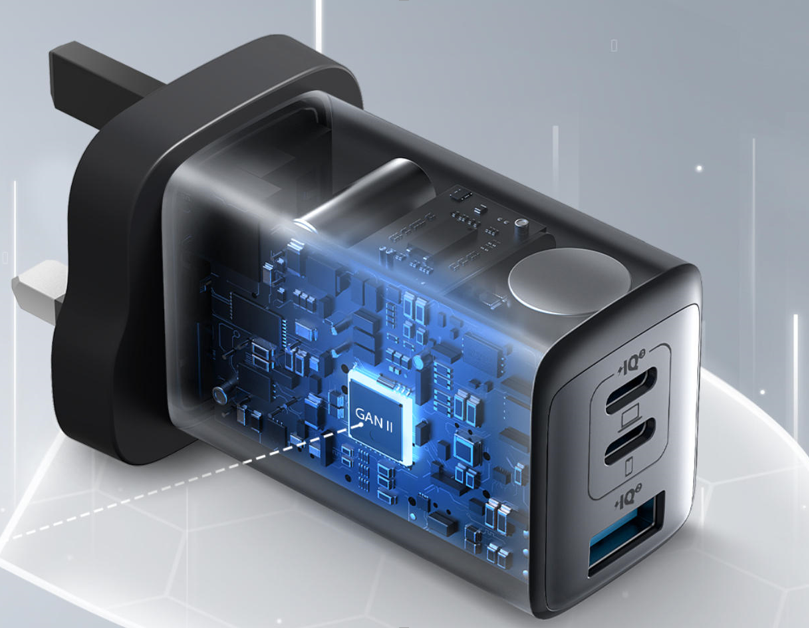
When a charger operates near its limit for long periods, internal components work harder and generate more heat. This wears down the circuitry faster. A higher-watt charger provides enough capacity without working at full load constantly. As a result, temperatures stay more controlled, performance stays consistent, and the charger lasts longer. This stability also benefits the MacBook battery. Smooth, predictable power prevents thermal spikes that would otherwise cause stress. Modern compact chargers, especially those built with GaN II materials, maintain strong output while controlling heat more effectively.
Intelligent Power Regulation Keeps Charging Safe
MacBooks rely on USB-C protocols that negotiate wattage with the charger. A high-watt charger provides the power the MacBook requests, but only as needed. Intelligent chips inside the charger measure voltage and current in real time, adjusting output to match the device’s condition. This avoids overloading and prevents inconsistent flow. Users appreciate that a charger like the Anker 735 Charger (Nano II 65W) conforms to recognized safety standards, offering a secure charging experience without requiring manual adjustments. The charger adapts automatically, keeping both the MacBook and the charger safe.
Higher Wattage Improves Charging Efficiency in Shared Power Environments
At home, outlets often support multiple appliances. Power strips, lamps, routers, and chargers share the same circuit. When voltage fluctuates in these conditions, a low-watt charger may struggle. A high-watt charger remains more stable because it is designed to handle stronger loads. It compensates for minor fluctuations and continues delivering smooth output. This helps maintain predictable charging speed even when the home circuit experiences typical variations. Efficiency is especially important for users who charge notebooks, phones, and accessories simultaneously. A powerful charger stabilizes energy delivery and minimizes interruptions.
Conclusion
MacBooks need high-watt chargers because their larger batteries, performance-heavy workloads, and multi-tasking capabilities require more power than smaller devices. Higher wattage supports fast charging, maintains stable output during demanding tasks, and ensures your MacBook continues charging even when additional devices share the same adapter. Modern chargers designed for notebooks provide intelligent regulation, improved heat management, and strong efficiency across multiple ports. A versatile model like the Anker 735 Charger (Nano II 65W) fits naturally into this routine because it delivers consistent, adaptable power for phones, tablets, and USB-C notebooks without overselling any feature. When you understand why wattage matters, choosing the right charging setup becomes easier—and your MacBook benefits in both performance and longevity.


