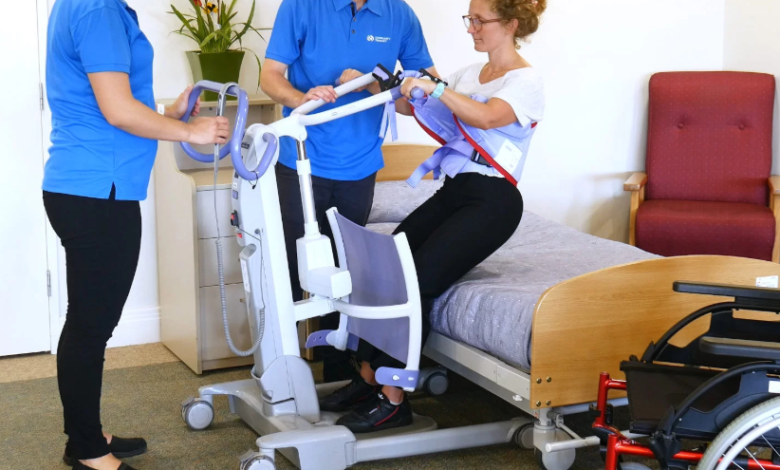
If you’ve ever spent time supporting someone with limited mobility, you’ll know the small moments matter more than people think. The morning routine. Getting dressed. Moving from the bed to the shower. Simple things. Except they’re not always simple. They can be stressful, risky, or just… tiring. And somewhere in that daily mix, the standing hoist transfer has become one of those quiet game changers across Australian homes and care facilities.
Not in a flashy headline way. More in the gentle, steady, supportive way that genuine care tends to evolve.
Why Standing Hoists Are Becoming a Go-To in Home Care
Walk into any OT’s office or chat with a support coordinator, and you’ll hear something like, “It depends on how much weight the person can bear.” And that’s where the standing hoist transfer fits so naturally. It helps participants who can stand with support, but not enough to be safely lifted manually.
People want independence. Even a small bit of it. The moment when someone can rise into a partial standing position with assistance from the hoist. That feeling of being involved in the transfer rather than just being lifted. It matters—more than most outsiders realise.
It Helps Carers Too. Maybe Even Especially.
There’s this unspoken thing in disability and aged care. Support workers and family carers often push through pain or strain because they don’t want the person they support to feel like a burden. You see it in homes where caregivers lift manually, leaning awkwardly or twisting their backs.
The standing hoist transfer removes so much of that risk. It gives carers a break from the physical strain. A chance to care without hurting themselves. Families say things like, “My shoulders don’t ache anymore,” or “It just feels safer.” And honestly, that safety changes everything.
People don’t often talk about workplace injuries in the home setting. But they’re real. And preventable.
The Emotional Side of Transfers
You’ll hear OTs say mobility is not just physical. It’s emotional. A loss of mobility often means a loss of independence. Control. Confidence. Dignity. And that’s where a standing hoist transfer becomes something more than equipment. It becomes part of someone’s identity.
Imagine being able to stand, even partially, after months of struggling and or feeling secure enough to participate in your own care again. These things build confidence that ripples into the rest of the day.
I’ve heard participants say, “It feels like I’m still doing something on my own.” Even if the hoist is doing most of the heavy lifting. That matters.
See also: What Features Define a Safe High Capacity Power Bank?
A Small Piece of Technology With a Big Impact
A modern standing hoist looks pretty simple at first glance. A stable base. A supportive sling or harness. A padded knee block. A secure platform for feet. But look closer, and you’ll see wise design choices everywhere. Smooth rolling casters. Adjustable supports. Battery-powered lifting arms.
All built to make the standing hoist transfer feel natural, not mechanical.
Some newer models even allow for smoother pivoting, making bathroom access less stressful, especially in narrow Australian homes where toilets are tucked into tiny corners. It’s practical. But it also reduces anxiety for everyone involved.
The OT’s Role in Getting It Right
People sometimes assume you can just buy a hoist online and figure it out later. But that’s rarely a good idea. The right standing hoist transfer depends on the participant’s strength, balance, diagnosis, recovery goals, and even their personality.
Occupational therapists look at all these pieces. They assess how much weight the person can bear, how stable they are when standing, and what kind of support the carer can provide. Then they choose the hoist and the matching sling.
And here’s the part many families appreciate. OTs don’t just hand over the equipment. They train carers. They demonstrate safe use. They make minor adjustments that might seem tiny but actually change everything—knee pad height. Handle grip direction. Sling attachment points. These details create safer, smoother transfers.
Where Australia’s Disability System Fits In
The NDIS can feel overwhelming. More forms. More categories. More paperwork. But when it comes to assistive technology like a standing hoist transfer, the funding pathway is pretty straightforward once the OT assessment is done.
Many participants don’t realise this kind of equipment can be fully funded. And should be because safe transfers are essential, not optional. Providers and support coordinators often guide people through the process. That gentle hand holding matters for families who feel lost in the system.
How Standing Hoists Support Aging at Home
Something subtle is happening across Australia. More older adults want to stay at home for as long as possible. Not in residential care. Not away from their community. At home. Where the familiar walls and routines keep them grounded.
A standing hoist transfer becomes part of that independence strategy. It supports mobility during morning routines. Reduces risk during toileting. Helps spouses or adult children provide safe assistance without feeling overwhelmed.
This isn’t just equipment. It’s a way to keep someone in their home longer.
Misconceptions People Still Have
Some families think standing hoists are too big for home use. They’re not. Modern models are compact and manoeuvre surprisingly well in small spaces.
Others worry they’ll become dependent on the device. But the opposite often happens. A standing hoist transfer encourages active participation and can actually maintain mobility longer.
Another misconception. Only professional carers can operate one. But with proper training, family members manage easily. And confidently.
The Quiet Future of Mobility Support
Assistive technology doesn’t always get big announcements or fancy marketing. But behind the scenes, these devices are getting more intelligent, lighter, and more intuitive. Soon we’ll probably see features like automatic stability sensors or app-connected maintenance alerts. Maybe even sling designs that feel more like clothing than equipment.
But at its core, the standing hoist transfer will always be about one thing. Helping someone move with dignity and safety, and assisting carers to support with less strain and less fear.
In the End
It’s the everyday routines where real change happens. The morning stand. The bathroom transfer. The moment someone feels safe again.
The standing hoist transfer from CHS Healthcareisn’t loud, complicated, or showy. It’s just quietly transformative. And in thousands of homes across Australia, it’s becoming the small piece of support that keeps life flowing with a bit more ease and confidence.