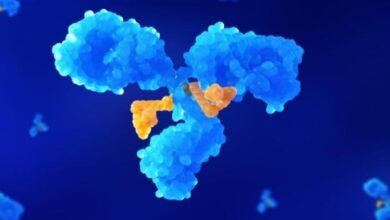
Drug protein binding assays are fundamental tools in pharmacology, and a drug protein binding assay is used to assess how drugs interact with proteins in the body. By assessing how drugs interact with proteins in the body, researchers can predict how a drug will behave in the bloodstream, influencing dosing, efficacy, and safety. Understanding this interaction is crucial because a drug’s therapeutic effectiveness often depends on the fraction that is unbound and available to enter target tissues. Given the complexity and variability of these interactions, scientists employ specialized assays to measure the degree and dynamics of drug-protein binding. The subsequent insights play a pivotal role in drug discovery and development, helping refine dosing regimens and predict potential drug-drug interactions. Ultimately, these assays contribute to a deeper understanding of a drug’s pharmacokinetic profile, aiding in designing more efficient and safer therapeutic agents.
Understanding Drug Protein Binding Assays
Drug protein binding assays are pivotal in pharmacology, ensuring drugs achieve desired effects safely.
What Is a Drug Protein Binding Assay?
A drug protein binding assay measures the extent to which a drug binds to plasma proteins. This interaction determines how much of the drug will be available in its active form to exert therapeutic effects. Plasma proteins, like albumin, globulins, and lipoproteins, serve as carriers. They hold onto drugs, affecting their distribution and elimination. The binding process impacts a drug’s bioavailability and half-life, directly influencing dosage requirements. In practice, the binding affinity informs the free drug concentration in the bloodstream, which is crucial for the drug’s activity. High binding affinity may reduce the drug’s availability, thereby affecting its efficacy. Conversely, drugs with low protein binding can be more readily available to target tissues. Performing accurate assays helps in understanding these dynamics, ultimately guiding effective dosing strategies and minimizing toxicological risks.
Key Plasma Proteins Involved in Drug Binding
Several plasma proteins play roles in drug binding, each contributing uniquely. Albumin is the most prevalent, binding to many acidic drugs due to its abundance in plasma. For basic drugs, alpha-1-acid glycoprotein is significant, offering high-affinity binding sites. Lipoproteins also contribute, particularly with lipophilic drugs. Globulins, known for hormone and metal binding, engage with specific drugs, affecting their distribution. Understanding the role each protein plays is essential for predicting drug behavior in the body. Their interaction can influence the drug’s distribution volume, elimination rate, and overall pharmacokinetics. Furthermore, genetic variations and pathological conditions can alter protein levels and binding affinities, necessitating tailored assays. Recognizing which protein primarily binds to a drug enables better risk assessment and therapeutic strategy, ensuring efficacy and safety in patient treatment plans.
How Drug Protein Binding Assays Work in Practice
These assays evaluate how drugs bind to proteins, guiding dosage and therapeutic effectiveness.
Common Drug Protein Binding Assay Methods
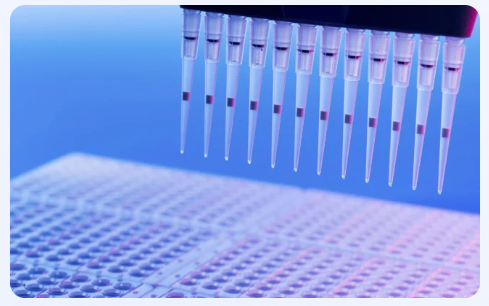
Several methods exist to measure drug-protein interactions accurately. Equilibrium dialysis is widely used, offering simplicity and accuracy by allowing free drug diffusion across a semi-permeable membrane. Ultrafiltration provides rapid results, separating free drugs from bound forms using a centrifuge. Another technique, ultracentrifugation, utilizes high-speed spinning to achieve separation, suitable for drugs with high protein binding. Surface plasmon resonance, though less common, offers real-time analysis of binding kinetics without separation. Each method has its pros and cons, tailored to specific drug properties and research needs. Choice of technique may be influenced by factors like drug stability, binding affinity, and available resources, ensuring reliable and reproducible results. Selecting the appropriate assay method is crucial for accurate pharmacokinetic modeling and successful drug development.
Factors That Influence Protein Binding Results
Various elements affect protein binding outcomes. Drug concentration plays a primary role, as saturation of binding sites alters affinities. pH variations in blood can change protein charge and structure, impacting binding dynamics. Competitive binding by other substances, such as co-administered drugs, can displace a drug from binding sites, modifying its free concentration. Additionally, pathological conditions, like liver or kidney diseases, modify protein levels and activity, influencing drug binding. Genetic polymorphisms in proteins also contribute to variability in binding properties among individuals. Understanding these factors helps anticipate deviations in binding results, crucial for accurate pharmacokinetic analysis and therapeutic monitoring. Successfully managing these influences ensures precise predictions of drug behavior, aiding in effective treatment planning.
Why Drug Protein Binding Assays Matter in Drug Development
These assays shape key decisions in drug development, impacting efficacy and safety.
Impact on Pharmacokinetics and DMPK Decisions
Protein binding significantly influences pharmacokinetics, dictating the concentration of active drug available in the body. High protein binding can affect drug distribution, reducing the free fraction that reaches target sites. Consequently, dosing regimens are adjusted to ensure therapeutic efficacy. Drug metabolism and pharmacokinetics (DMPK) studies rely on binding assays to forecast absorption, distribution, metabolism, and elimination profiles. These predictions guide decision-making on formulation strategies and dosing intervals. A drug’s binding profile can predict potential drug-drug interactions, a vital aspect in determining a drug’s safety profile. Thus, understanding protein binding is integral to shaping DMPK decisions, leading to the safe and effective use of pharmaceutical agents in varied patient populations.
See also: Skin Health vs. Skin Aesthetics: What Melbourne’s Best Clinics Are Getting Right
Role in Lead Optimization and Candidate Selection
The protein binding characteristics of a drug compound are critical during lead optimization. Identifying candidates with favorable binding profiles ensures better pharmacokinetic properties, impacting efficacy and safety. Binding studies aid in selecting compounds that offer optimal therapeutic action with minimal side effects. By evaluating binding affinity, researchers can modify chemical structures to enhance drug absorption and distribution. This process minimizes toxicology risks and improves formulation development. Agents with lower binding affinities may be prioritized for their higher bioavailability and potential therapeutic impact. Thus, protein binding data contributes to informed decision-making in candidate selection, optimizing drug development processes to deliver safe and effective treatments.
Conclusion
Drug protein binding assays are essential in understanding a drug’s pharmacokinetic profile, directly impacting its efficacy and safety in therapeutic use. By evaluating how drugs interact with plasma proteins, researchers gain insights that guide crucial dosing adjustments and predict drug-drug interactions. These assays are vital during drug development, shaping decisions in lead optimization and candidate selection. The methods and factors influencing protein binding play significant roles, necessitating careful consideration to ensure precise and reliable outcomes. Ultimately, these assays contribute to developing safer and more effective pharmaceuticals, benefiting both healthcare professionals and patients alike with informed, tailored treatment plans. Understanding and utilizing drug protein binding assays are fundamental steps toward successful drug innovation and clinical application.