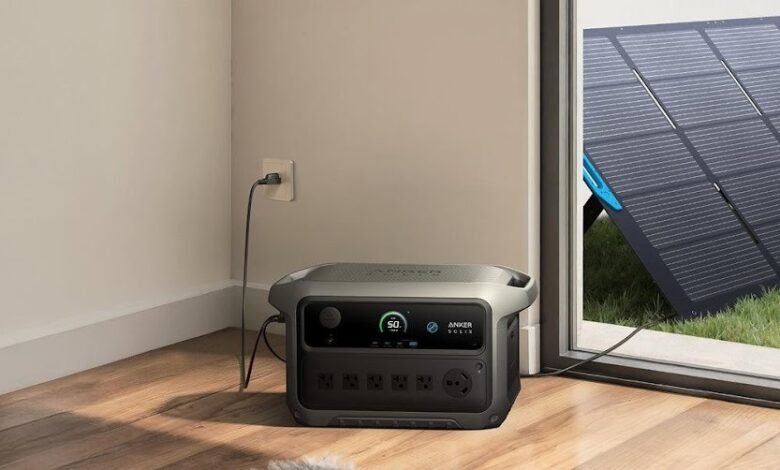
Solar-powered generators provide quiet, clean backup power, although their efficiency might be reduced over the winter. Cold weather, shorter days, snow, and cloud cover all have an impact on the amount of energy generated by solar panels and the performance of batteries. Understanding the seasonal hurdles is critical if you utilize a solar generator for off-grid power or emergency backup. This tutorial delves into the important winter elements influencing efficiency and shows how to maximize performance when sunshine is limited. With correct design and use, solar generators may still run dependably in cold areas and offer crucial power when the grid fails or when access to energy is limited.
How Does Winter Weather Affect Solar Generator Efficiency?
Shorter Daylight Hours and Lower Sun Angles
Winter days are shorter, and the sun remains lower in the sky, limiting the amount of energy that solar panels can gather. With fewer hours of direct sunshine, solar panels receive less exposure and generate less power overall. The sun’s lower angle also causes light to travel through more atmosphere, further diminishing intensity. This combination reduces the overall daily watt-hour input to your generator. If you utilize solar electricity on a regular basis, you should prepare for longer recharge times or adapt your consumption accordingly. Panels can still generate electricity, but the restricted light window means that less energy is accessible for storage and usage.
Snow, Cloud Cover, and Reduced Solar Input
Snow accumulation on solar panels can totally block light, preventing electricity output until it is cleaned. Even minor snow or frost can dramatically limit efficiency. Overcast skies are also prevalent in winter, and dense cloud cover reduces solar intake by up to 80%. Panels continue to function on overcast days, although production declines dramatically. Indirect sunlight can charge slowly, but it may not provide enough energy for continuous operation. Regular cleaning and panel alignment help to limit the snow effect. Using higher-efficiency panels can increase performance in low-light environments. Overall, winter weather needs a shift in expectations, since constant cloud cover and snow can reduce solar generator performance.
Cold Temperatures and Battery Performance
Cold weather impacts battery performance in solar-powered generators, limiting useful capacity. Lithium-ion batteries lose efficiency below freezing, storing and discharging less energy than anticipated. Internal resistance increases, slowing charging and shortening duration. If temperatures fall too low, some generators will not charge at all to safeguard the battery. Keeping the device above freezing, whether inside or insulated, increases efficiency. Cold also affects voltage regulation, which might result in quicker power depletion if not monitored. While solar panels may perform marginally better in cold weather, battery restrictions frequently negate that advantage. Managing temperature is critical to winter solar dependability.
See also: What Are ADC Services and Why Are They Crucial for Biotech?
How Can You Improve Solar Generator Efficiency During Winter?
Optimizing Solar Panel Placement and Angle
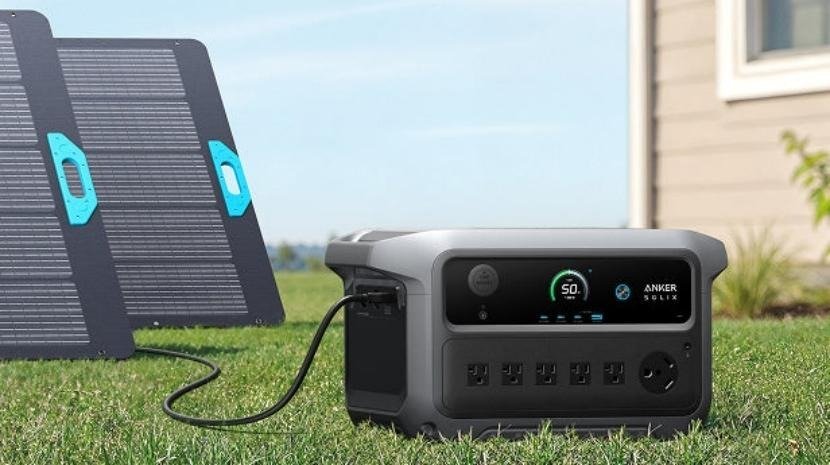
Proper solar panel placement is essential for efficient winter charging, especially when using the Anker SOLIX C2000 Gen 2. To capture more low-angle sunlight, tilt your panels at an angle equal to your latitude plus 15 degrees. This steeper tilt also helps snow slide off easily. Face panels directly south (in the Northern Hemisphere) for maximum exposure, and use adjustable mounts or seasonal brackets for better alignment. Keep panels raised above ground-level snow and clear of tree shadows or buildings. Regularly remove frost, snow, or debris to prevent light obstruction. Since even partial shading can reduce efficiency by over 50%, optimizing panel positioning helps the C2000 Gen 2 recharge quickly and maintain maximum power throughout the colder months.
Managing Energy Use and Prioritizing Loads
Winter makes efficient energy usage even more important. Use your solar-powered generator to power just the gadgets like lights, routers, medical equipment, or tiny heaters. Unless your system is designed to handle severe loads, avoid using high-draw appliances such as microwaves, dryers, and space heaters. Use low-power gadgets together during peak solar input hours. Minimize consumption by using LED lights and energy-efficient gadgets. Monitor your generator’s output and battery level closely, adjusting usage based on available charge. Some systems have real-time energy tracking to help you plan ahead. Reduce waste, spread loads, and eliminate non-essentials to lengthen runtime and maintain stable power even when solar input is restricted.
Storage, Insulation, and Cold-Weather Charging Tips
Protecting your solar powered generator from cold weather improves both performance and battery life. Store the generator indoors or in an insulated area to keep temperatures above freezing. If it must be used outside, store it in an insulated box or wrap it in thermal blankets, keeping vents free to prevent overheating. Use battery warmers if your model allows them. Charge only when the battery is at a safe temperature, which is normally above 32°F (0°C). Mount solar panels at steep angles to keep them free of snow and ice. Charge during the peak of the day’s sunshine. Proper insulation, scheduling, and maintenance limit winter energy loss and allow your generator to run more effectively during cold weather.
Conclusion
Solar-powered generators are still helpful in the winter, but they require specific maintenance to be efficient. Snow, clouds, short days, and chilly temperatures all lower performance. Battery efficiency suffers in cold temperatures, and solar input decreases without adequate panel arrangement. To increase winter dependability, alter your panel angle, insulate your generator, and lower power demands. Keep an eye on your consumption and expect slower charging times. Solar generators, when properly configured, may still offer reliable backup power during winter outages or off-grid vacations. Cold weather does not render solar electricity worthless; it only necessitates wiser use and better planning to keep energy flowing when the temperature decreases.