Melbourne looks compact on a map. Trams criss-cross the CBD. Suburbs stack neatly in every direction. It feels connected.
Then real life kicks in.
Appointments run late. Buses don’t line up. A short distance becomes a long journey. This is where Disability Services in Melbourne begin to feel very different from what the brochures suggest.
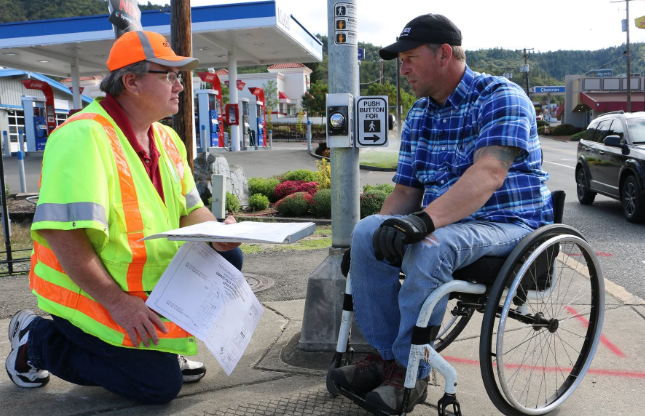
Support does not exist in isolation. It moves through streets, stations, footpaths, carparks, and waiting rooms. And how people move through the city shapes everything that follows.
Geography Is Not Neutral
Some suburbs are well served. Others, not so much.
In theory, services are available across the city. In practice, location quietly decides what is realistic. Travel time affects energy levels. Long commutes eat into funded hours. Missed connections create stress before support even begins.
For many families using Disability Services in Melbourne, geography becomes an invisible gatekeeper. The same service model works smoothly in one area and struggles in another.
No one plans for that. It just happens.
Transport Is Not Just Transport
Transport is often treated as a separate category. A line item. A support to be organised alongside everything else.
But transport shapes participation more than most people realise. If getting somewhere takes all your energy, what happens once you arrive?
This is where Disability Services in Melbourne either adapt or fall short. Providers who understand transport realities plan differently. Shorter sessions. Local options. Flexible start times.
It’s not about efficiency. It’s about sustainability.
The Quiet Maths Families Do Every Day
Families are constantly calculating.
How long will this take?
What happens if traffic is bad?
Can we fit this in before school pickup?
These calculations shape decisions long before formal planning meetings. Families often choose closer services, not necessarily better, because travel costs are too high.
Within Disability Services in Melbourne, this means access is uneven in subtle ways. Choice exists, but only within the boundaries of daily life.
Support Worker Matching Gets Harder on the Road
Consistency matters. Everyone agrees on that.
But when travel times lengthen, keeping the same workers becomes more difficult. Workers juggle multiple shifts across suburbs. One delayed train ripples through the day.
For Disability Services in Melbourne, worker matching is not just about skills and personality. It’s about logistics. Distance. Realistic scheduling.
When providers account for this honestly, relationships last longer; when they don’t, turnover increases quietly.
See also: UK International students: Healthcare and Insurance Guide
Community Spaces Matter More Than We Credit
Not all support happens in offices or program rooms.
Libraries. Local cafés. Sports centres. Parks. These spaces reduce travel stress and increase comfort. They anchor support in familiar ground.
The strongest Disability Services in Melbourne often lean into these spaces. They work with what’s already nearby instead of pulling people across the city.
It feels simpler. It works better.
Coordination Lives or Dies by Location
Coordination sounds neat on paper.
In reality, it’s messy. Appointments are scattered across the suburbs. Different providers in different postcodes. Time lost between them.
Good coordination within Disability Services in Melbourne acknowledges this mess. It groups support geographically where possible. It avoids unnecessary movement.
That kind of planning does not show up in reports. But families feel it immediately.
Consistency Needs Breathing Room
Consistency is not just about keeping the same people.
It’s about predictable days. Familiar routes. Knowing what comes next without checking three schedules.
When Disability Services in Melbourne respect how tiring travel can be, consistency becomes achievable. When they ignore it, even good support feels overwhelming.
Sometimes, fewer, closer-to-home activities deliver better outcomes than a packed citywide calendar.
Independence Looks Different When Movement Is Hard
Independence is often framed as doing more, going further, expanding outward.
But for many people, independence means confidently navigating their local world, knowing the neighbourhood, and feeling safe in familiar places.
Within Disability Services in Melbourne, independence grows faster when support meets people where they already are. Not where a system thinks they should be.
Looking Ahead, the City Will Keep Shifting
Melbourne keeps expanding. New suburbs appear. Infrastructure lags behind demand.
This means Disability Services in Melbourne will continue to face the same challenge, in new forms: how to support people in a city that moves faster than its support systems.
The answer is unlikely to be more complex. It’s probably flexibility. Local partnerships. Honest conversations about what is realistic.
What This All Comes Back To
Support does not start at the front door. It starts the moment someone leaves home.
When Disability Services in Melbourne from Nexa Care account for geography, movement, and daily energy, support feels lighter. More doable. More human.
The city is not just a backdrop. It is part of the experience.
And when we design support with that in mind, things quietly improve. No big announcements. Just fewer obstacles in the way of everyday life.