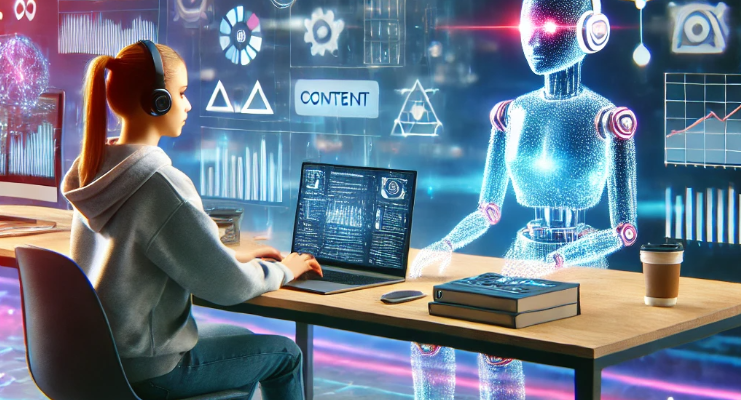
Digital marketing is evolving faster than ever. Every day, new tools and technologies emerge, promising better engagement, higher conversions, and smarter strategies. Among all these innovations, one stands out for its unique ability to connect with audiences on a deeper level—humanized AI. But what exactly does that mean, and why is it becoming a game-changer in marketing today? Let’s break it down.
Understanding Humanized AI
At its center, humanized AI is synthetic intelligence designed to suppose, talk, and respond extra like a human. Unlike traditional AI that could sense bloodless, robotic, or overly structured, humanized AI adds a layer of empathy, character, and instinct to interactions. Think of it because the difference between talking to a helpful assistant and speaking to a device that the handiest knows instructions.
In advertising, this difference is massive. Customers these days don’t just need products or services, they need stories. They need to be understood, valued, and engaged. Humanized AI bridges that hole via turning in interactions that feel non-public, relevant, and timely.
Why Humanized AI Matters for Digital Marketing
The marketing landscape has shifted. Consumers are more informed, more connected, and more selective than ever. That means generic messages and one-size-fits-all campaigns are no longer enough. Brands need to stand out, and humanized AI helps them do exactly that.
First, it enhances customer experience. Imagine a chatbot that doesn’t just answer questions but remembers past interactions, suggests solutions based on preferences, and even responds with a touch of humor. That kind of engagement builds trust and keeps customers coming back.
Second, humanized AI improves content creation. Modern AI tools can generate articles, social media posts, and email campaigns in minutes. But when AI is humanized, it can mimic natural conversational tones, incorporate storytelling, and even understand the nuances of audience sentiment. This makes content feel authentic and relatable, which is essential for SEO and brand loyalty.
Finally, it boosts marketing efficiency. Humanized AI can analyze huge amounts of data quickly, spotting trends, predicting behavior, and suggesting strategies that a human team might take days to uncover. It’s like having a marketing expert who never sleeps and never misses a detail.
Real-World Applications
You might be wondering how humanized AI works in real life. Here are a few examples:
- Chatbots and Virtual Assistants: Companies like Sephora and Spotify use AI that doesn’t just provide answers but recommends products, creates playlists, and offers tips in a conversational tone. Customers feel like they’re interacting with a real person rather than a machine.
- Email Marketing: Instead of sending generic newsletters, humanized AI can segment audiences and craft personalized messages based on behavior, preferences, and purchase history. This leads to higher open rates and better engagement.
- Social Media Management: Humanized AI tools can draft posts, respond to comments, and even analyze trending topics to suggest content ideas that resonate with followers. The result is a social presence that feels dynamic and relatable.
- SEO Optimization: AI can assist in creating content that’s not just keyword-rich but also reader-friendly. By understanding how humans interact with content, it helps marketers create pages that answer questions naturally, improving rankings without feeling forced or robotic.
See also: What Are ADC Services and Why Are They Crucial for Biotech?
Challenges and Considerations
Of course, humanized AI isn’t perfect. It relies heavily on the quality of its programming and data, and there’s always a risk of responses feeling artificial if not fine-tuned. Privacy concerns also come into play since AI often uses personal data to deliver personalized experiences.
Marketers need to strike a balance. The goal is to enhance the human touch, not replace it entirely. AI should support human creativity and empathy, not overshadow it.
The Future of Humanized AI in Marketing
Looking ahead, humanized AI will only become more integral to marketing strategies. Advances in natural language processing, emotional AI, and machine learning will allow brands to understand and anticipate customer needs better than ever. This isn’t just about efficiency; it’s about connection. Brands that master humanized AI will be the ones that don’t just sell products but create meaningful relationships.
In a world where attention spans are shrinking and competition is fierce, humanized AI gives marketers a unique edge. It allows them to scale personalized experiences, deliver value at every touchpoint, and maintain the human connection that audiences crave.
Conclusion
Humanized AI isn’t simply any other tech trend; it’s a brand new approach to digital marketing that blends facts-driven insights with true human interaction. From personalized client reviews to smarter content creation, its capacity is substantial. The brands that include it will not handiest attain extra human beings but also resonate more deeply.
Digital marketing is moving fast, and humanized AI is leading the manner. If you haven’t explored it yet, now’s the time to look at how it can remodel your techniques, your campaigns, and most importantly, your connection with your target market.


