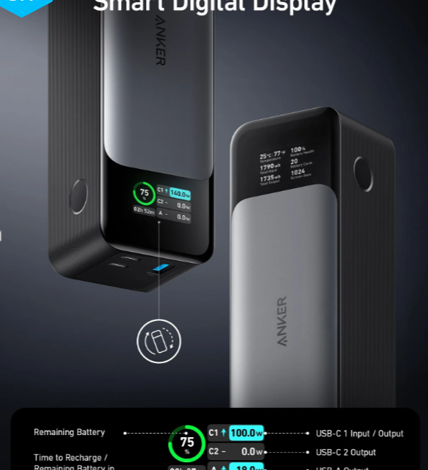
High-capacity power banks have become essential tools for staying powered up on the go. A high capacity power bank is especially useful when you rely on multiple devices or travel often, but not all models are created equal, especially when it comes to safety. Understanding the key safety features of high capacity power banks can make a significant difference in your experience. This guide breaks down what makes a power bank safe, looking at the protective measures manufacturers implement, the importance of certifications, and smart charging capabilities. This analysis will help you make an informed decision when purchasing a high capacity power bank with high mAh capacity. Whether for travel, remote work, or emergencies, knowing the right features ensures both reliability and peace of mind for your devices and personal safety.
Core Safety Protections Inside High-Capacity Power Banks
High-grade lithium cells and stable capacity ratings
High-capacity power banks rely on premium lithium-ion cells for safety and efficiency. These cells are known for their stability and consistent discharge rates, minimizing the risk of malfunction. A high stable capacity is essential to ensure the longevity of the battery, while also providing accurate energy output without surges. Manufacturers prioritize these cells to offer users reliable energy storage solutions, reducing the risk of overheating and ensuring user safety over the lifespan of the power bank.
Thermal monitoring and heat-dissipation design for large mAh packs
Safety in power banks is enhanced by advanced thermal monitoring systems that regulate temperature during usage. Large-capacity power banks come with sophisticated heat-dissipation designs that prevent excessive heat build-up, protecting both the device and its surroundings. By continuously monitoring the internal temperature, these systems ensure energy delivery without compromising safety, making them indispensable components for modern portable chargers.
Fire-retardant casing, reinforced ports, and drop-resistant build
Quality power banks incorporate fire-retardant materials to fortify the casing against potential hazards. Reinforced ports provide safe connectivity, ensuring stability during charging. Moreover, a drop-resistant design safeguards against physical damage, maintaining functionality even after unexpected falls. These design elements contribute significantly to the resilience of power banks, ensuring user safety even in varied conditions.
Certifications, Compliance, and Real-World Safety Checks
Must-have marks for safe high capacity units: UL, CE, FCC, RoHS, UN38.3
To guarantee safety and quality, high-capacity power banks must possess essential certifications. UL, CE, FCC, RoHS, and UN38.3 are industry-standard marks indicating compliance with rigorous safety tests. UL certification ensures the power bank has passed electrical and thermal safety assessments. CE and FCC marks validate compliance with regional safety standards, while RoHS certifies material healthiness by adhering to environmental regulations. UN38.3 certification is crucial for lithium batteries, confirming safe air transport conditions. Together, these certifications represent a comprehensive safety framework for consumers.
Airline and travel safety rules for big power banks (Wh math, 100Wh limit)
Understanding airline regulations is crucial for traveling with high-capacity power banks. Airlines impose a 100Wh limit on lithium-ion batteries inside power banks. Calculating watt-hours (Wh) accurately, by multiplying voltage (V) and capacity (Ah), assures compliance. This regulation prevents potential safety hazards during air travel, allowing passengers to carry their power banks safely. Awareness of these rules ensures stress-free travel.
See also: 5 Primary Benefits of Hiring a Roofing Company
Brand accountability: traceable specs, warranty, recall history, and support
Accountability from power bank manufacturers boosts consumer confidence. Brands demonstrating transparency through traceable specifications, clear warranties, and robust customer support establish trust. Comprehensive recall histories indicate responsible practices, revealing adherence to safety standards and consumer protection. Awareness of these accountability measures helps consumers identify reliable brands committed to safety.
Safe Fast-Charging and High-Power Use Cases
USB-C PD 3.1 and high-watt outputs that stay within safe limits
With advancements in charging technology, USB-C PD 3.1 emerges as a safe option for fast charging. Offering high-watt outputs, these models provide efficient charging while adhering to safety limits, preventing overheating or device damage. By maintaining appropriate voltage and current levels, USB-C PD 3.1 ensures reliable energy transfer without compromising device health, establishing itself as a preferred choice among users.
Multi-port power sharing without overheating or voltage spikes
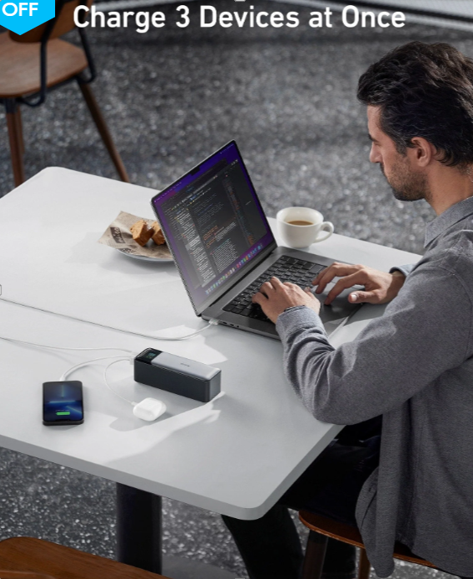
Modern power banks equipped with multi-port capabilities enable simultaneous device charging. Advanced design prevents overheating, ensuring stable voltage levels across all connected devices. These smart systems distribute power efficiently among ports, avoiding voltage spikes that might otherwise compromise device safety. This capacity for power sharing promotes convenience without sacrificing security.
Smart safety systems in modern Anker high-capacity models
Anker’s modern high-capacity power banks feature integrated smart safety systems to safeguard users and devices. Employing technology like MultiProtect, these systems offer surge protection, temperature control, and short-circuit prevention. This all-in-one approach demonstrates Anker’s commitment to user safety, offering reliable power delivery without the risk of device damage or personal harm.
Conclusion
Choosing a high-capacity power bank requires careful consideration of safety features. Prioritize models with high-grade lithium cells, advanced thermal monitoring, fire-resistant designs, and industry-standard certifications. Also, ensure compliance with airline travel restrictions and brand accountability to promise reliability. Lastly, opt for power banks boasting advanced charging technologies that promise efficiency and safety. With these guidelines, enjoy peace of mind and reliable charging solutions in every scenario.


