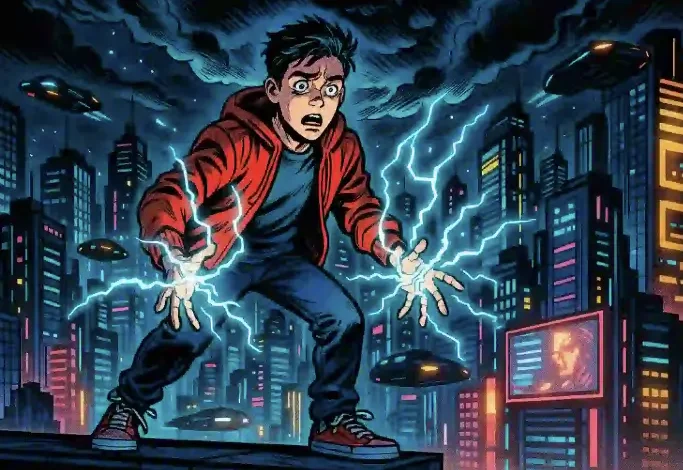
Comics Deserve Better
Comics are a unique medium. They combine visual art with narrative storytelling, allowing creators to tell stories impossible in prose or film. A single panel can convey what paragraphs of description require. Sequential art creates emotional pacing that text cannot match.
Yet creating comics requires mastery of visual art—something most writers lack and most artists take years to develop. This barrier means countless brilliant stories never become comics because would-be creators lack the visual skills to realize them.
AI is changing that equation fundamentally. Now anyone with a story can create professional-quality comics.
A Comic Creator powered by AI enables users to create comics, designing characters, panels, dialogue, and artwork, making comic production simple and accessible for all skill levels.
Why Comics Matter
Comics occupy a unique place in storytelling:
Visual + Narrative Synergy
- Words and pictures work together
- Images convey information words cannot
- Pacing is controlled visually
- Emotional impact is heightened
- Information loads faster than prose
Accessibility
- More engaging than dense text
- Less intimidating than blank page
- Appeals to visual learners
- Translates across languages easily
- Includes more diverse audiences
Creative Flexibility
- No budget constraints like film
- No physical limitations like theater
- Unlimited visual possibilities
- Unconventional panel layouts tell stories uniquely
- Experimental formats possible
Growing Audience
- Comics/graphic novels are mainstream now
- Webcomic platforms have millions of readers
- Young people prefer visual storytelling
- Industries increasingly use comics for communication
- Book market for graphic novels growing rapidly
Understanding Comic Fundamentals
Great comics master several elements:
Panel Composition
- Shot selection – Wide establishing shots, close emotional moments
- Panel size – Emphasize important moments with size
- Gutter space – The space between panels controls pacing
- Panel shape – Different shapes create different reading experiences
- Layout flow – Guide reader’s eye through page
Character Design
- Visual personality – Design reflects character
- Consistency – Same character always recognizable
- Expressions – Faces convey emotion clearly
- Silhouette – Identify character by outline alone
- Color usage – When applicable, colors enhance character
Visual Storytelling
- Show don’t tell – Use images instead of exposition
- Action progression – Sequential art shows movement
- Sound representation – Visual symbols for audio (movement lines, sound effects)
- Perspective – Camera angles convey emotion
- Symbolism – Visual metaphors enhance meaning
Dialogue Integration
- Speech balloons – Different styles for different speakers
- Word economy – Comics require efficient writing
- Subtext – Unspoken communication
- Timing – Dialogue placement affects pacing
- Silence – What’s unsaid matters
Different Comic Forms
Comics exist in multiple formats:
Superhero Comics
- Action-heavy storytelling
- Episodic structure
- Colorful, dynamic artwork
- Large sequential publication
- Merchandising opportunities
Graphic Novels
- Complete stories in single volumes
- Mature themes and complex narratives
- High literary value
- Standalone or series arcs
- Literary recognition growing
Webcomics
- Digital-first publishing
- Direct audience relationship
- Rapid publication schedule
- Community interaction
- Monetization through patronage or merchandise
Alternative Comics
- Experimental forms and styles
- Personal, intimate storytelling
- Art-forward approach
- Independent publication
- Growing critical respect
Educational Comics
- Explain complex topics visually
- Make information memorable
- Improve understanding
- Increase engagement
- Used in schools and professional training
See also: Why Cheap Cleaning Equipment Costs More in Busy Workplaces
The Creation Process Reimagined
Traditional comic creation involves multiple specialist roles:
- Writer – Develops story and dialogue
- Artist – Creates visual realization
- Inker – Finishes pencil art
- Colorist – Adds color and tone
- Letterer – Adds text and sound effects
- Editor – Ensures quality and consistency
AI comic tools collapse multiple roles:
- You provide story – Plot, characters, dialogue
- AI provides visuals – Character design, panel composition, artwork
- You refine – Edit, adjust, perfect
- Publish – Share with world
What once required a team now one person can do.
Different Creator Approaches
Like manga creation, different people approach comics differently:
Writer-First
- You write excellent scripts
- AI visualizes your vision
- Minimal art skills needed
- Focus entirely on story
- Results depend on script quality
Artist-First
- You design characters and visuals
- AI executes your creative direction
- Accelerates production dramatically
- Maintains your artistic voice
- Reduces time on tedious tasks
Hybrid Creators
- You contribute throughout process
- AI assists with heavy lifting
- You maintain creative control
- Collaborative partnership
- Best of both worlds
Emerging Creators
- You lack experience in either area
- AI helps you learn both skills
- Create projects for portfolio
- Develop understanding through practice
- Grow into mastery
Quality Control in AI Comics
AI-generated comics require human refinement:
Visual Consistency
- Characters remain recognizable
- Art style stays consistent
- No anatomical errors
- Visual quality maintained
- Color usage appropriate
Narrative Clarity
- Story is understandable through images alone
- Action sequences are clear
- Emotional beats land correctly
- Pacing works visually
- Reader can follow without explanation
Professional Quality
- No AI artifacts or errors
- Dialogue is properly placed
- Sound effects enhance story
- Overall polish is high
- Publishing-ready quality
Originality
- Characters are unique
- Story is original
- Visual style is distinctive
- Avoids common clichés
- Creates memorable work
Building a Comic Fanbase
Successful comic creators focus on reaching and building audience:
Consistent Publishing
- Regular update schedule
- Build reader expectation
- Demonstrate reliability
- Create habit of checking back
- Generate word-of-mouth momentum
Engaging Community
- Respond to comments and feedback
- Share creation process
- Behind-the-scenes content
- Ask readers for input
- Build genuine relationships
Social Media Strategy
- Share panels across platforms
- Create character content beyond comic
- Engage with comic community
- Use platform-specific formats
- Build cross-platform presence
Monetization Options
- Patreon or similar patronage
- Physical print sales
- Merchandise and products
- Advertising on website
- Licensing opportunities
Storytelling Excellence in Comics
Ultimately, characters and story matter most:
Character Development
- Create characters readers care about
- Show growth and change
- Develop relationships between characters
- Create meaningful conflicts
- Make readers invested in outcomes
Plot Structure
- Establish compelling hook
- Build tension and complications
- Create believable conflicts
- Develop themes throughout
- Create satisfying resolution
Dialogue Craft
- Write natural conversation
- Use dialogue to reveal character
- Balance dialogue with visual storytelling
- Every line should serve purpose
- Create memorable moments
Emotional Resonance
- Create moments that touch readers
- Build genuine tension and stakes
- Create earned emotional beats
- Leave lasting impressions
- Make readers feel something
Inspiration and Research
Creating comics requires deep preparation:
Research Your Setting
- Understand physical environments
- Know historical context if relevant
- Understand rules of your world
- Make details accurate
- Ground story in reality
Study Great Comics
- Analyze how masters structure stories
- Understand visual storytelling techniques
- Study character design choices
- Learn about panel composition
- Develop your taste
Live Experience
- Observe how people actually interact
- Notice physical details around you
- Understand emotional nuances
- Collect real experiences
- Ground fiction in reality
Creative Inspiration
- Read widely across many fields
- Experience diverse art forms
- Travel and meet new people
- Have genuine relationships
- Live fully
From Hobby to Professional
Many professional comic creators started as hobbyists:
- Practice through creation – Develop skills by doing
- Build audience – Create loyal readers over time
- Create portfolio – Develop samples for professional work
- Make industry connections – Meet other creators and professionals
- Professional opportunities – Transition to paid work
AI-assisted creation makes this path accessible and efficient.
The Creator’s Satisfaction
Creating comics offers unique satisfaction:
- Self-expression – Tell stories only you can tell
- Audience connection – Build loyal readership
- Skill development – Grow in craft over time
- Creative fulfillment – Bring visions to life
- Potential income – Create valuable work
Future Evolution
As Jenova – The Future of AI That Remembers demonstrates, AI systems will increasingly support creative expression while human judgment guides the creation.
The future of comics involves human creativity partnering with AI capability.
Conclusion
If you have stories burning to be told—stories that need visual medium to be properly expressed—you now have tools to create professional comics. The medium is no longer locked behind years of artistic training.
Your stories matter. The tools are available. The only question is whether you’re ready to share them.


