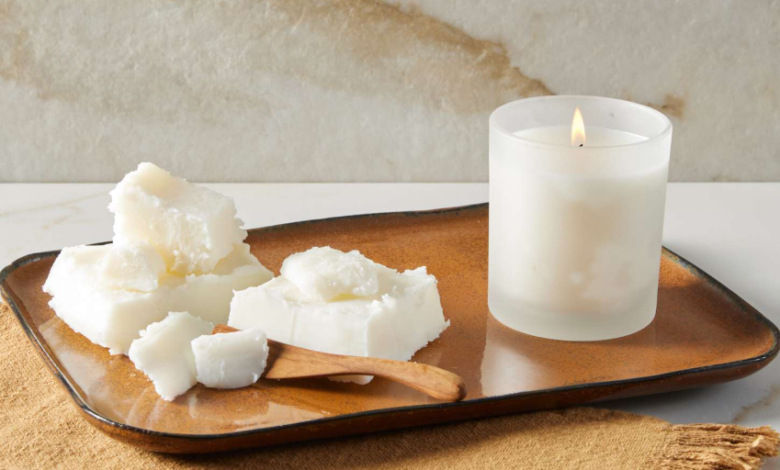
Choosing the right wax is one of the most important decisions in candle making. The type of wax you use will impact how your candle burns, how strong the fragrance throw is, how the candle looks, and even how environmentally friendly it is. Whether you’re a hobbyist or starting a small candle business, understanding your options helps you get better results and avoid common issues.
Understanding the Role of Wax in Candle Making
Candle wax serves as the primary fuel source in your candle. It affects the burn time, how well the candle holds and releases fragrance, and how the finished product looks and feels. Different waxes perform in different ways, and your ideal choice depends on the style of candle you’re creating, the scent profile you want, and your preferences for natural or synthetic materials.
See also: The Quiet Job Concrete Kerbing Does Every Time It Rains in Sydney
Most Common Types of Candle Wax
Soy Wax
Soy wax is one of the most popular choices for candle making, especially for beginners. It’s made from soybean oil, making it a renewable and natural alternative to petroleum-based waxes. Soy wax has a smooth, creamy appearance, excellent scent throw (especially cold throw), and burns cleanly with minimal soot. It’s ideal for container candles and works well with essential and fragrance oils.
Paraffin Wax
Paraffin wax is a highly refined petroleum byproduct that’s been used in candle making for decades. It’s known for its excellent fragrance throw and ability to produce vibrant colours. It’s also easy to work with and very affordable, which is why it’s still widely used in commercial candles. However, some people prefer to avoid paraffin due to its synthetic origin and environmental concerns.
Beeswax
Beeswax is a natural wax produced by honey bees. It has a high melting point, which makes it burn longer than many other waxes. Beeswax emits a natural, subtle honey aroma even when unscented and purifies the air as it burns. It’s a great option for pillar and taper candles but can be more expensive than other waxes and may not hold added fragrance as strongly.
Coconut Wax
Coconut wax is made from the meat of coconuts and is considered a luxury wax due to its smooth finish and excellent scent throw. It burns cleanly and blends well with other waxes like soy or paraffin to enhance performance. Pure coconut wax can be soft, so it’s usually part of a wax blend. It’s a great option for those seeking a high-end, natural candle.
Blended Waxes
Many candle makers use blends of waxes to combine the benefits of different types. A soy-paraffin blend, for example, can improve scent throw and smoothness while maintaining a more natural profile. Coconut-soy blends are also popular for their clean burn and creamy texture. Blends can be tailored to suit your specific candle style and performance goals.
Choosing the Right Wax for Your Candle Project
The best wax for your project depends on what you’re making and what you want your candle to do. For container candles, soy or coconut wax is often the best choice. If you’re creating pillars or tapers, beeswax or paraffin offers better structural integrity. Consider how strong you want the fragrance to be, whether you prefer natural materials, and how important appearance is. You can find a wide variety of waxes and other essentials from trusted sources of Candle Making Supplies, making it easier to experiment and find your ideal setup.
Sustainability and Wax Sourcing
Sustainability is an increasingly important factor for both makers and consumers. Soy, beeswax, and coconut wax are renewable and biodegradable options. Look for ethically sourced ingredients and suppliers who prioritise environmentally friendly production. Avoid waxes that are linked to deforestation or poor farming practices.
Takeaways
If you’re new to candle making, start with a beginner-friendly wax like soy. Try small test batches to compare how different waxes perform in scent throw, burn time, and appearance. Keep notes on each experiment so you can refine your process over time. Don’t be afraid to try blends to get the best of both worlds.