The fast-paced momentum of modern lifestyle has brought a massive shift in interior styling. As our daily routines become increasingly digital and chaotic, our living environments are demanding the exact opposite—simplicity, stillness, and substance. In response, the international design community has looked toward ancient Eastern philosophy to ground contemporary spaces. At the forefront of this movement is a powerful aesthetic wave that is completely redefining luxury living: a deep appreciation for the unrefined, the quiet, and the transient.
When brought onto canvas and plaster surfaces, these cultural currents manifest as rich, organic patterns, muted earth mineral pigments, and highly deliberate empty spaces. It marks a transition from standard home decoration to intentional spatial meditation.
In this comprehensive trend analysis, we will explore the core philosophy behind Eastern minimalism, analyze how these soothing visual concepts interact with residential interior architecture, and look at how collectors use these wall collections alongside structural fine art assets to build an elegant gallery home.
The Timeless Philosophy Behind Zen Aesthetics
To truly integrate Eastern minimalism into an interior space, one must look past the visual surface and understand the philosophical foundation. Unlike Western minimalism, which often focuses on crisp, sterile perfection and sharp machine lines, traditional Japanese art trends focus heavily on the beauty of nature’s lifecycle.
The visual style relies completely on two deeply intertwined concepts:
- Wabi: Finding refined elegance, peace, and spiritual fulfillment within simplicity, solitude, and rustic environments.
- Sabi: Honoring the beauty that comes naturally with age, wear, structural weathering, and the inevitable passage of time.
When an artist translates this onto a canvas, they do not strive for a perfectly uniform, smooth finish. Instead, they embrace raw canvas grains, exposed linen threads, intentional fractures, and asymmetrical brushwork. This approach signals to our subconscious minds that imperfection is not a flaw; it is a beautiful narrative of authenticity.
Integrating specialized gallery-grade work from a curated Wabi-Sabi Artworks – Japanese Minimalist and Zen Design collection allows you to inject an immediate architectural weight and calm energy into your home, ensuring your walls radiate a classic, grounded presence.
Designing with Silence: Where to Place Zen Wall Art
Because minimalist Japanese art utilizes an incredibly quiet visual vocabulary, it possesses a unique structural ability to balance an open floor plan without creating mental clutter. Here is how leading interior decorators style these pieces across residential spaces:
1. The Living Room: The Meditative Center
The living room serves as the social core of a home, but it also needs to be a place where your mind can unwind after a long day.
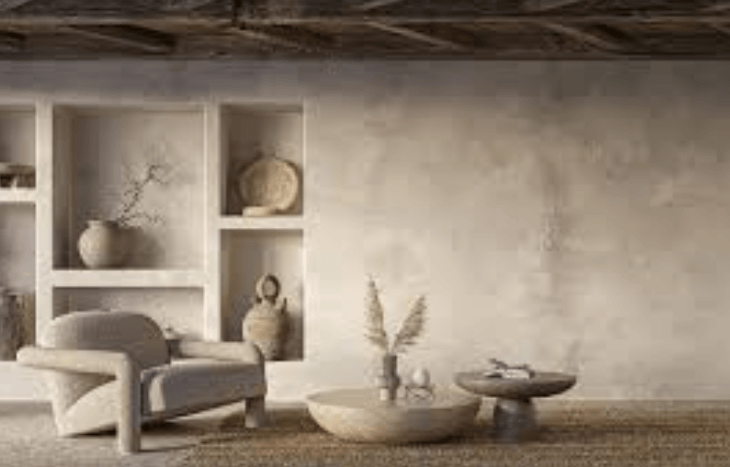
- Placement Strategy: Hang a large, horizontally oriented textured canvas over your main low-profile seating area. Pair it with soft cream bouclé fabrics, low-slung oak furniture, and raw stone surfaces to accentuate the natural theme.
2. The Master Bedroom Suite: A Restful Sanctuary
Loud geometric configurations and oversaturated color blocks actively stimulate brain waves, which goes completely against healthy sleep hygiene. Zen-inspired art, however, functions as a visual anchor for relaxation.
- Placement Strategy: Position a triptych (a three-panel series) or a diptych of soft ink-wash abstractions right above the headboard. The delicate micro-shadows created by the artwork’s plaster texturing under warm night lighting will promote an atmosphere of ultimate peace.
3. The Minimalist Entry Hall: Framing the Transition
First impressions set the tone for your entire home. Placing a simple line drawing or an earthen-toned canvas in your main foyer tells anyone entering that your sanctuary is built on a foundation of clarity and balance.
Textures and Colors: The Anatomy of a Zen-Inspired Wall Layout
Many people mistakenly assume that minimalist art lacks variety. In reality, the minimalist Japanese aesthetic is incredibly rich, relying heavily on tactile engagement and organic materials to tell its story:
| Design Element | Visual Expression | Best Material Combination |
| Plaster Plaquettes | Heavy, thick impasto and built-up plaster layers that mimic natural rock cliffs. | Raw travertine stone, unvarnished cedar wood. |
| Sumi-e Ink Wash | Fluid, soft black and gray gradients where the paint bleeds naturally into handmade paper. | Matte black steel accents, crisp linen curtains. |
| Earth Mineral Pigments | Undertones of warm sand, pale umber, muted charcoal, clay terracotta, and soft off-whites. | Woven jute carpets, live pampas grass arrangements. |
Expanding the Dimension: Layering Walls with Fine Structural Sculptures
While a stunning minimalist canvas defines the vertical layout of a room, true luxury interior design relies heavily on depth, shadows, and a sophisticated mix of mediums. Once you have styled your walls with beautifully quiet Zen pigments, the next step in professional curation is introducing three-dimensional physical art assets.
The fluid, organic lines of an Eastern minimalist canvas create an extraordinary visual dialogue when paired with heavy, structural materials like cast metals, sculpted dark iron, or hand-carved stone figures. Placing a dark metallic sculpture on a console table or a concrete pedestal underneath a minimalist painting creates a striking interplay of light and shadow that makes the room feel layered and professionally designed.
[ Minimalist Wall Canvas ] ──> Establishes Quiet Atmosphere & Soft Textures
+
[ Three-Dimensional Art ] ──> Adds Physical Gravity, Weight & Contrast
=
[ Curated Gallery Home ] ──> The Ultimate Pinnacle of Spatial Luxury
Beyond the immediate aesthetic luxury, serious modern art collectors look at curation through a dual lens of design and wealth preservation. Fine art is globally recognized as an exceptional alternative asset class that hedges beautifully against inflation and maintains value across changing economic cycles. High-quality original paintings and limited-edition physical sculptures serve as a tangible, secure repository of wealth that you can live with and appreciate every single day.
If you are eager to understand how the physical art market operates, how three-dimensional works are valued by top auction houses, and how to strategically select tangible assets for your financial portfolio, read this comprehensive Bronze Sculptures for Modern Art Investment Review to analyze valuation frameworks, liquidity trends, and market stability metrics behind premium art investments.
Professional Curatorial Guidelines for Displaying Minimalist Art
To ensure your Japanese minimalist collection maintains its high-end gallery authenticity, follow these professional installation rules:
- Avoid Ornate Frames: For Zen-inspired art, say no to heavy, traditional gold borders. Choose a sleek “canvas floater frame” in raw oak, dark walnut, or matte white. This leaves a small shadow gap around the art, which honors the philosophy of giving the artwork room to breathe.
- Ditch the Protective Glass: Never hide a heavily textured, plaster-based Wabi-Sabi artwork behind glass. Glass reflections flatten the canvas, making the rich textures and organic cracks completely invisible to the viewer.
- Utilize Low-Angle Art Lighting: Install warm overhead track lighting or adjustable spotlights (around 2700K to 3000K). Adjust the angles so the light casts subtle, elongated shadows across the artwork’s ridges, letting the art change character beautifully throughout the day as the room’s ambient light shifts.
See also: The Ins and Outs of USDA and VA Loans
Conclusion: Cultivate Your Personal Oasis
Decorating your living environment or executive workspace with Minimalist Japanese Art Trends: Wabi-Sabi Artworks and Zen-Inspired Wall Decor is far more than a passing aesthetic trend. It is a conscious lifestyle statement. It marks a transition away from superficial consumerism and turns your property into a peaceful sanctuary centered around authenticity, mindfulness, and timeless beauty.
By selecting high-quality organic canvases, prioritizing rich tactile textures, and balancing your walls with sophisticated three-dimensional art investments, you transform a standard house into a museum-grade gallery of calm. Explore minimalist Eastern collections today, find the artwork that connects with your style, and give your walls a quiet, powerful, and deeply elegant voice.