When a conflict breaks out in a region most logistics teams have never shipped goods through, it rarely stays contained to that geography. Within days, sea lanes shift, air cargo rates spike, and customs queues grow unpredictable. Businesses without real-time insight into where their cargo is are already behind their shipment schedule before they fully register what is changing around them.
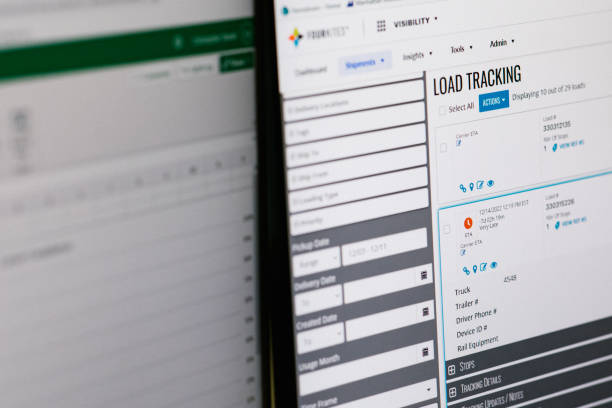
Companies investing in GPS tracking solutions for businesses are not simply monitoring shipment location; they are building a live intelligence layer across their entire supply chain. When disruption arrives through sanctions, airspace closures, or port access restrictions, that layer allows teams to respond in hours rather than days, protecting delivery timelines and client trust simultaneously.
When Geopolitical Events Start Rewriting Freight Routes
Route Disruption Moves Faster Than the News Cycle: When attacks on Red Sea shipping routes escalated in 2024, carriers rerouted vessels around the Cape of Good Hope, adding weeks of transit time to European supply chains. Operation teams without live cargo visibility had no way to communicate updated timelines until delays had already compounded considerably.
Energy Costs and Freight Pricing Shift Without Warning: Geopolitical instability in energy-producing regions pushes fuel costs higher quickly, and freight rates follow closely across all transport modes. Businesses with precise in-transit tracking are better placed to renegotiate contracts or switch carriers when cost variables move outside acceptable thresholds, rather than absorbing increases passively.
Real-Time Condition Monitoring Catches What Rerouting Creates: Longer routes mean extended exposure to temperature variation, rough sea conditions, and additional handling events. Real-time condition monitoring allows operations teams to track humidity, shock, and temperature deviations as they happen, rather than after cargo arrives damaged. This matters most for cold chain shipments facing genuinely different environmental conditions on extended routing paths.
The Visibility Gap Is Costing More Than You Think
Late Information Locks Teams Into Late Decisions: When cargo visibility is limited to milestone updates, operations teams work with a picture that is already hours or days old. During stable trade conditions this lag is perhaps manageable. During geopolitical disruption, it can mean the difference between catching a problem early and explaining a significant delay to a key client.
Poor Tracking Shows Up in Client Relationships First: In freight, reactive communication is expensive. Customers reroute orders, procurement teams lose confidence, and contracts shift to competitors who offer proactive status updates. The commercial cost of poor visibility rarely appears in a single line item, yet it accumulates steadily across every disrupted shipment and every relationship that quietly erodes over time.
What Real Operational Readiness Looks Like During Disruption
Multimodal Freight Tracking Covers Every Leg, Not Just the Easy Ones: Shipments moving across sea, rail, and road are particularly exposed when visibility tools only capture part of the journey. Multimodal freight tracking means operations teams know which leg is affected and what adjustments are needed well before any delay reaches the customer or impacts contract commitments.
The capabilities that separate reactive from proactive supply chain teams typically include:
- Live location updates across all transport modes, removing blind spots that emerge during handovers between carriers and freight operators.
- Condition alerts that flag temperature, shock, or humidity deviations as they occur, not after cargo arrives damaged.
- Integration with internal TMS and ERP systems so tracking data flows directly into operational workflows without manual extraction.
- Automated customer notifications tied to cargo status changes, reducing inbound query volumes during active disruption periods.
- Route comparison data allowing procurement teams to evaluate switching options with real cost and timeline implications before committing.
A Faster Data Cycle Produces Faster Recovery Decisions: The businesses that handle geopolitical disruption best are not always those with the largest logistics networks. They are the ones that receive accurate data fastest and act without hesitation. A four-hour advantage on route change decisions can be the difference between meeting a delivery window and missing it entirely.
See also: Why Cheap Cleaning Equipment Costs More in Busy Workplaces
Visibility Has Become a Commercial Differentiator, Not a Nice-to-Have
Supply Chain Risk Has Moved Into Boardroom Conversations: Geopolitical disruption is no longer something operations teams manage quietly behind the scenes. Boards are asking supply chain teams to demonstrate resilience, and the foundation of any credible plan is accurate, real-time cargo data. Without it, any risk management strategy ultimately rests on assumption rather than evidence.
Being Transparent With Clients During Disruption Builds Long-Term Trust: When competitors are scrambling for answers, your ability to offer specific, accurate cargo updates becomes a tangible differentiator. In sectors where margins are tight and client loyalty is difficult to maintain, this matters considerably. Businesses that communicate proactively during volatile periods consistently retain contracts that less-informed competitors cannot challenge.
The Supply Chains That Know More Will Move Faster
Geopolitical instability is a structural feature of global trade, not a temporary inconvenience. Supply chain teams that treat shipment visibility as a strategic investment are better positioned to manage volatility, protect client relationships, and make faster decisions when disruption arrives. If your current tracking capability leaves meaningful gaps in monitoring in-transit cargo, speak with a real-time tracking specialist about the options available to you.