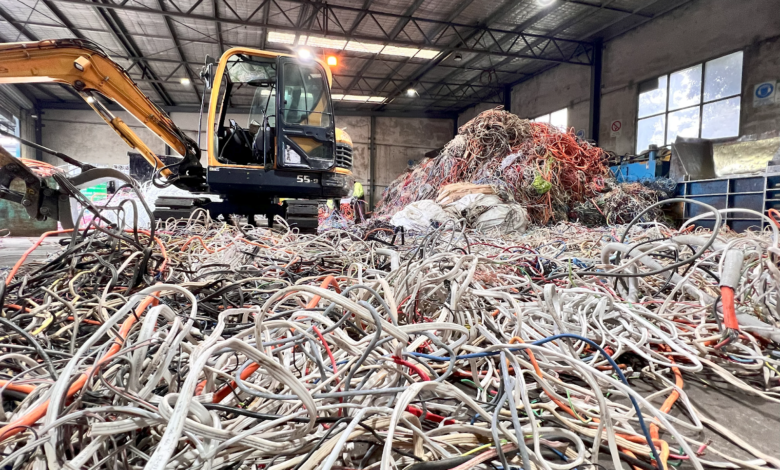
Most people sitting on a pile of old metal don’t really know what to do with it. There’s a rusted frame taking up space in the warehouse, old machinery cluttering a construction site, or structural offcuts stacking up after a demolition job. The question isn’t whether to recycle. It’s how arranging scrap metal for pick up actually works once you make the call.
Who Can Request a Pick Up?
Not every situation is eligible for a collection service. Scrap metal for pick up is geared toward large commercial and construction type operations where the amount of scrap is substantial enough to make such a service practical. That’s manufacturing plants, demolition work, large construction sites, etc., industrial operations that generate large amounts of metal waste.
If you have smaller loads with a few old items like some copper pipe, aluminium frames, or a broken appliance, a scheduled pick up isn’t the right fit. The volumes are too small to justify sending a truck. In that case, you transport the material yourself. Some people hire a truck or trailer for larger loads, which makes the drop-off far more practical.
This is worth knowing upfront. A pick-up is not a kerbside collection service for anyone who calls.
Step 1: The Initial Assessment
Before anything moves, the site gets assessed. The type and volume of scrap gets confirmed, along with what equipment the job will need. Commercial and construction clients usually have a clear picture of what they have, steel beams, copper wiring, aluminium offcuts, cast iron components.
The assessment also helps determine roughly what the material is worth. Ferrous metals (iron and steel) and non-ferrous metals (copper, aluminium, brass, stainless steel) are valued differently. Non-ferrous metals generally bring higher returns due to the global demand for these materials.
Step 2: Sorting and Separation
Once a collection is agreed on, sorting becomes the priority. Mixed loads are harder to process and can affect the overall value of the scrap. The cleaner the separation, the better the outcome.
On a commercial site, this means keeping steel separate from aluminium and copper. Contaminated metal, coated, painted, or mixed with non-metal materials, may be assessed at a lower rate or need extra processing before it can move on.
And that’s because of this reason: recyclables are sorted according to their grade or consistency. Those that are well-sorted are recycled faster at a better grade.
Step 3: Collection Day
A truck will be sent to a specified location on a specified day. The truck may be of varying sizes depending on the volume to be collected. It could be a flatbed truck, a crane truck, or a skip bin truck. Structural steel could require heavy-duty equipment.
The crew collects the materials. A docket is then created to record the collected materials. This includes the approximate weight and type of materials collected. This is especially important in business settings to meet waste reporting regulations.
The time spent collecting materials varies. It may only take an hour or the entire working day.
See also: What Type of Wax Is Best for Candle Making?
Step 4: Weighing and Valuation
Once the material arrives at the facility, it gets weighed on a certified scale. The weight, combined with the metal type and current market prices, determines the payout.
Scrap metal prices move with global commodity markets. Copper and aluminium tend to perform well, while steel prices fluctuate more depending on demand from manufacturers and export buyers. Australia’s scrap metal export trade plays a direct role here. Demand from steel mills in Asia, for example, feeds into what local scrap is worth on any given week.
Step 5: Processing and Recycling
Once sorted and weighed, the next process is to process the materials. Steel is shredded or baled. Aluminium is melted and cast. Copper is stripped and refined. The aim is to get a consistent high-grade material ready to go to the smelters or ready to be exported.
What About Smaller Loads?
If your case is smaller in quantity, the process is slightly different. You carry the materials yourself. You can either use your own vehicle or hire one. You just drop off the materials at the recycling plant. The weight and type of material are assessed on the spot.
This suits people clearing out a shed, finishing a home renovation, or getting rid of old white goods. The point is knowing what you have and separating metals where possible before you arrive. It saves time at the weigh-in.
Why Does Any of This Matter?
Scrap metal left in a landfill doesn’t break down in a useful way. It takes up space, wastes a recoverable resource, and creates long-term waste problems. Australia generates a large volume of metal waste every year from construction, manufacturing, and industrial activity.
Getting metal into the right hands, through a scheduled commercial pick up or a personal drop-off, keeps that material in circulation. The process is not complicated. But understanding each step makes it easier to plan, prepare, and get the most out of what you have sitting on-site.